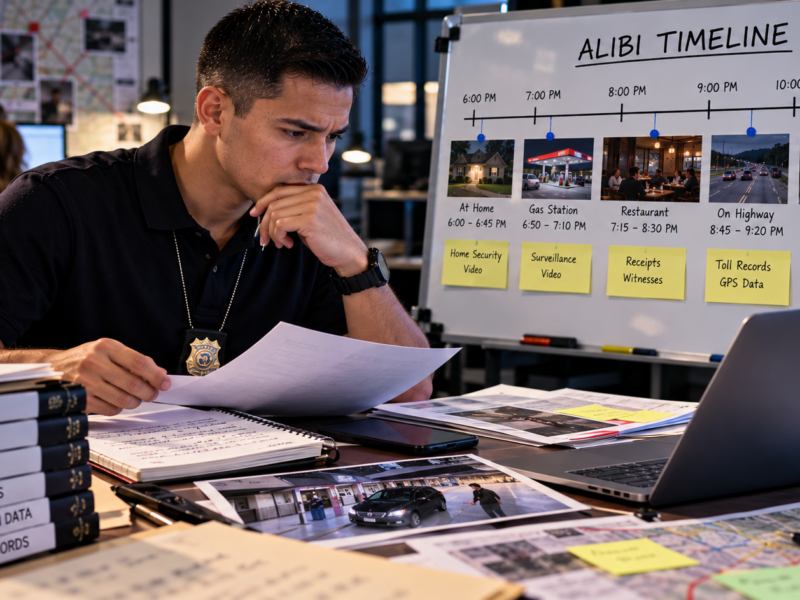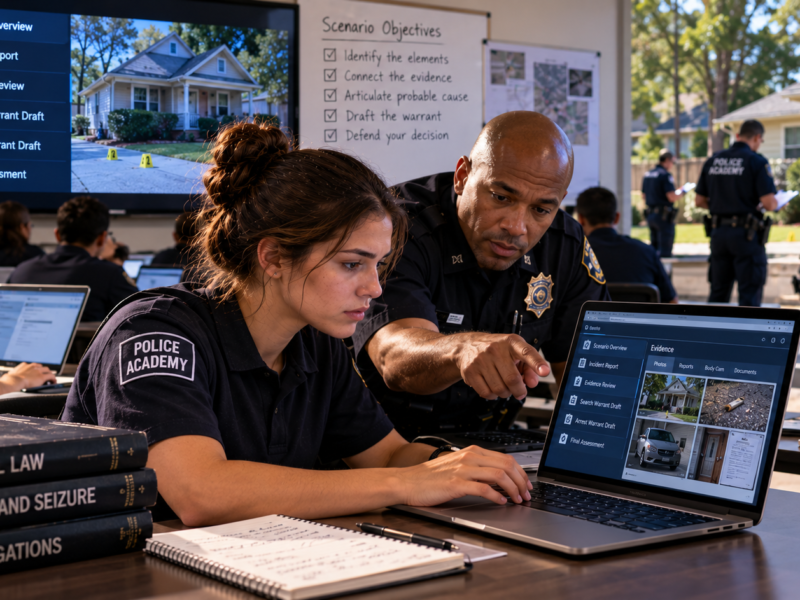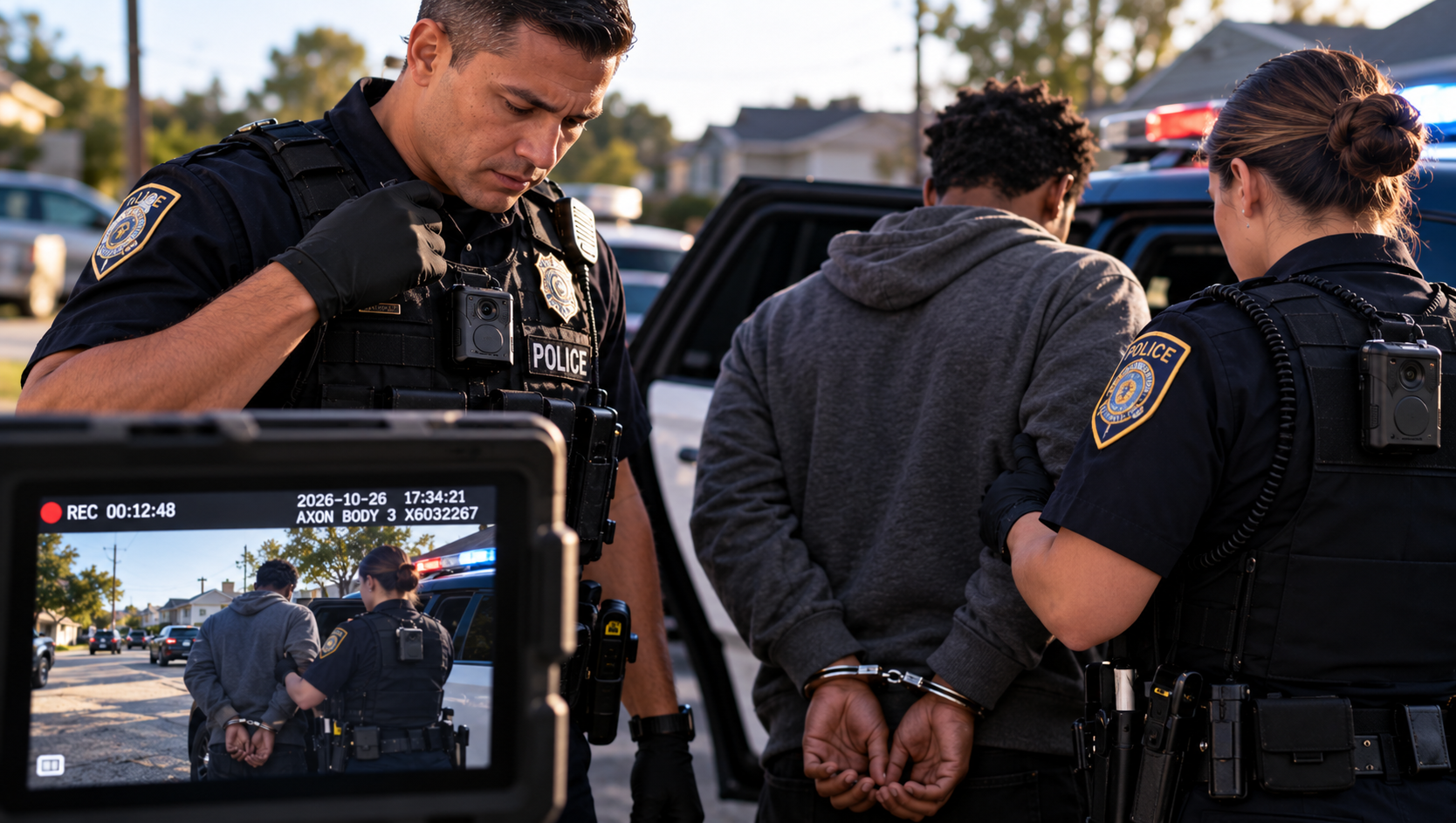
An arrest is more than a physical act; it is also business.
It is the culmination of observation, investigation, legal reasoning, documentation, and judgment.
In an era of body-worn cameras, surveillance systems, smartphones, and social media, officers are no longer judged only by whether an arrest was lawful. People may also review their tone, demeanor, language, and emotional control frame by frame.
That changes the standard.
The modern officer should approach an arrest with something close to Mr. Spock’s objectivity: calm, analytical, evidence-driven, and resistant to emotional escalation.
That does not mean emotionless.
It means recognizing stress without letting it control the decision.
Before and during an arrest, officers should be able to ask:
- What facts do I actually know?
- What information came from witnesses or other officers?
- What am I assuming?
- What evidence supports probable cause?
- Can I explain this decision later to a supervisor, prosecutor, judge, jury, or camera?
That last question matters.
A strong arrest should survive reconstruction.
Another overlooked part of professionalism is language.
Profanity may not always be unlawful, but unnecessary profanity can signal frustration, diminish perceived control, escalate an encounter, and weaken an officer’s credibility when video is later reviewed.
This is not about social perfection; it is about command presence through discipline.
Calm language does not make an officer weak.
Measured communication can coexist with lawful authority, decisive action, and officer safety.
The goal is controlled decisiveness.
Act when necessary, and act firmly when required.
But remain intellectually anchored to facts, law, policy, and observable behavior.
That is especially important in warrant-related arrests, where the officer may be executing a judicially authorized action but must still manage the encounter professionally.
The modern arrest should be viewed as a decision chain:
Facts → Legal Standard → Action → Articulation
If any link is weak, the arrest becomes harder to defend.
In the age of cameras and high liability, professionalism is no longer only about what an officer does.
It is also about whether the officer can later explain, clearly and objectively, why the decision made sense at the time.
The strongest arrest is not merely one that succeeds physically.
It is one whose reasoning still holds up after the stress is gone.
–Klyvorek & OpenAI
KLYVOREK helps law enforcement professionals strengthen report-writing and documentation skills through realistic fictional scenarios, self-paced practice, and AI assistance. The officer provides the facts. KLYVOREK builds the draft. The officer reviews, refines, and improves it.