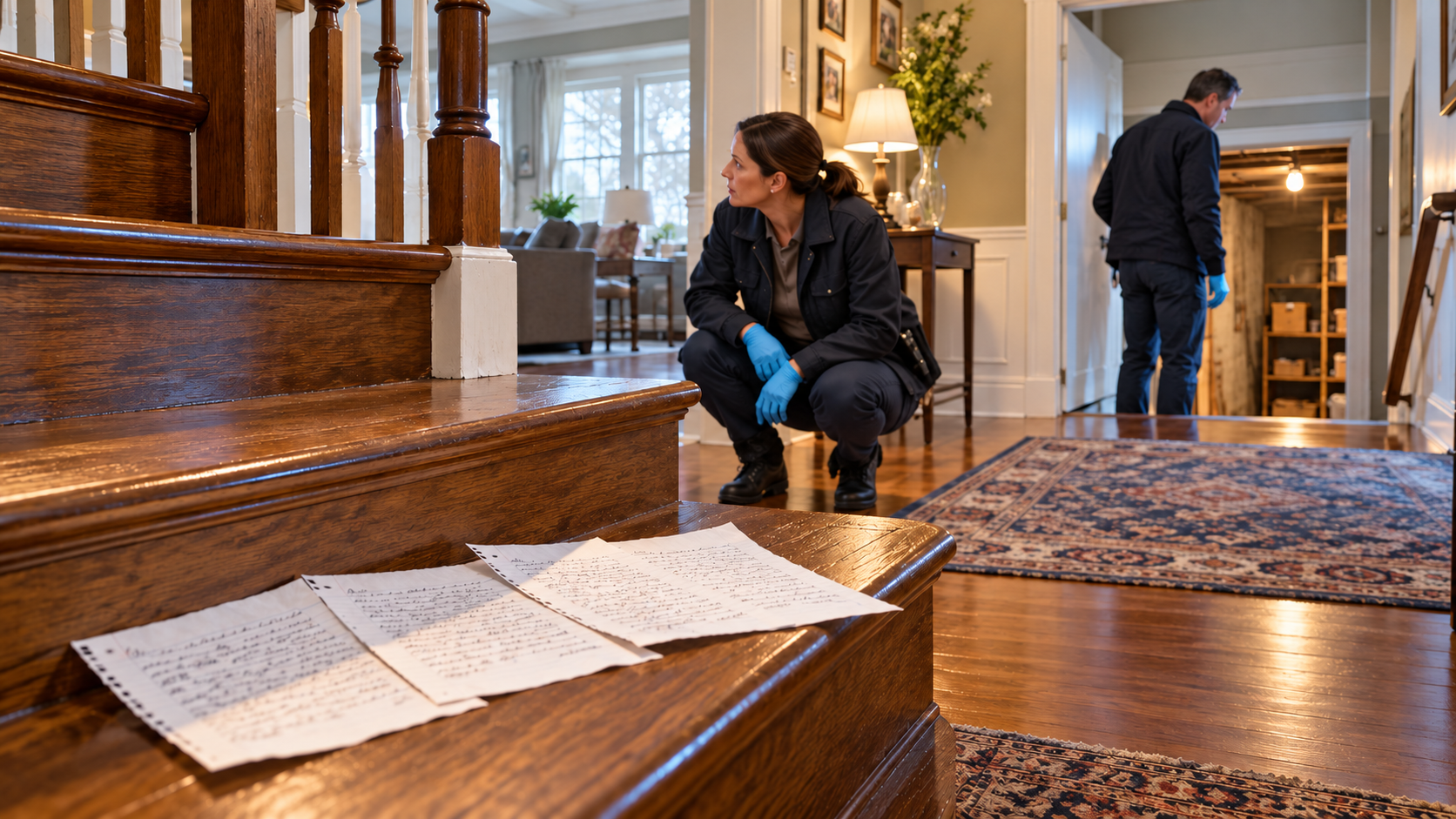
The report reads smoothly. The timeline appears logical. The suspect’s behavior seems suspicious. Then someone asks: “What facts support that conclusion?” Suddenly, the case looks
Author: edwardsbrown7@gmail.com
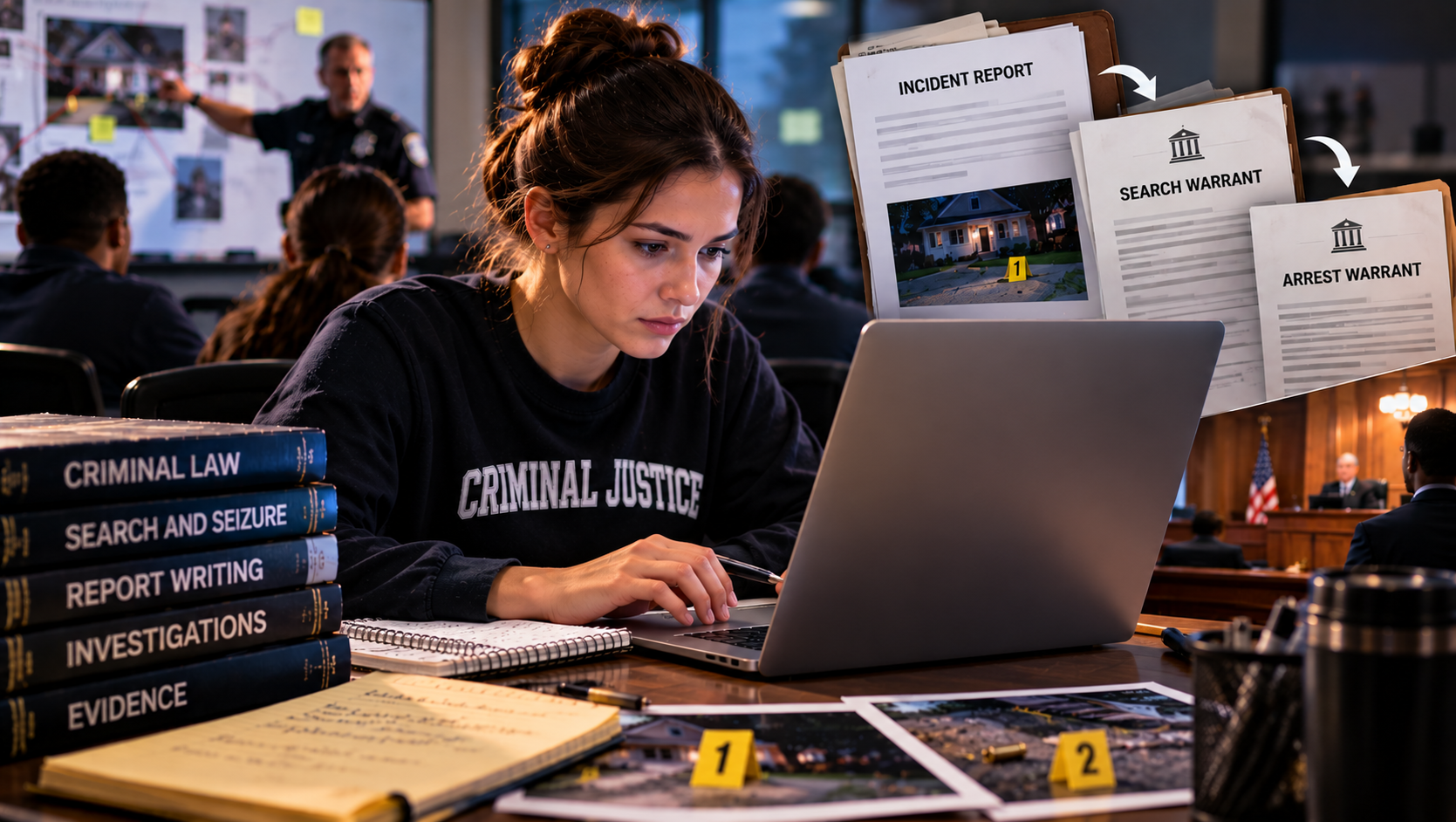
In law enforcement, criminal justice education, and investigative work, the first time someone has to make a difficult decision should not be the first time
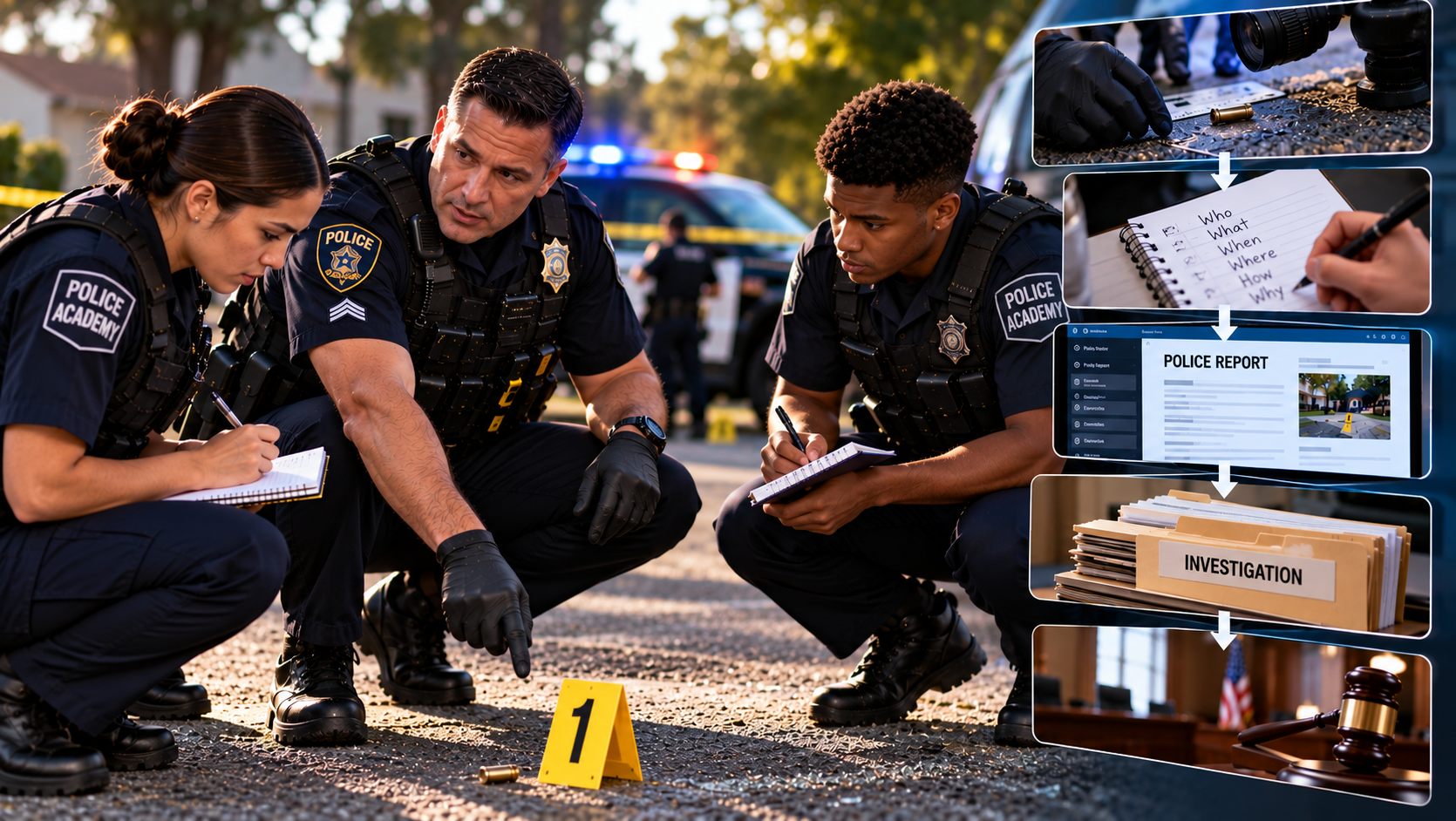
Police academies traditionally teach patrol operations and criminal investigations as related but distinct disciplines. That structure makes administrative sense. However, operationally, the line is much
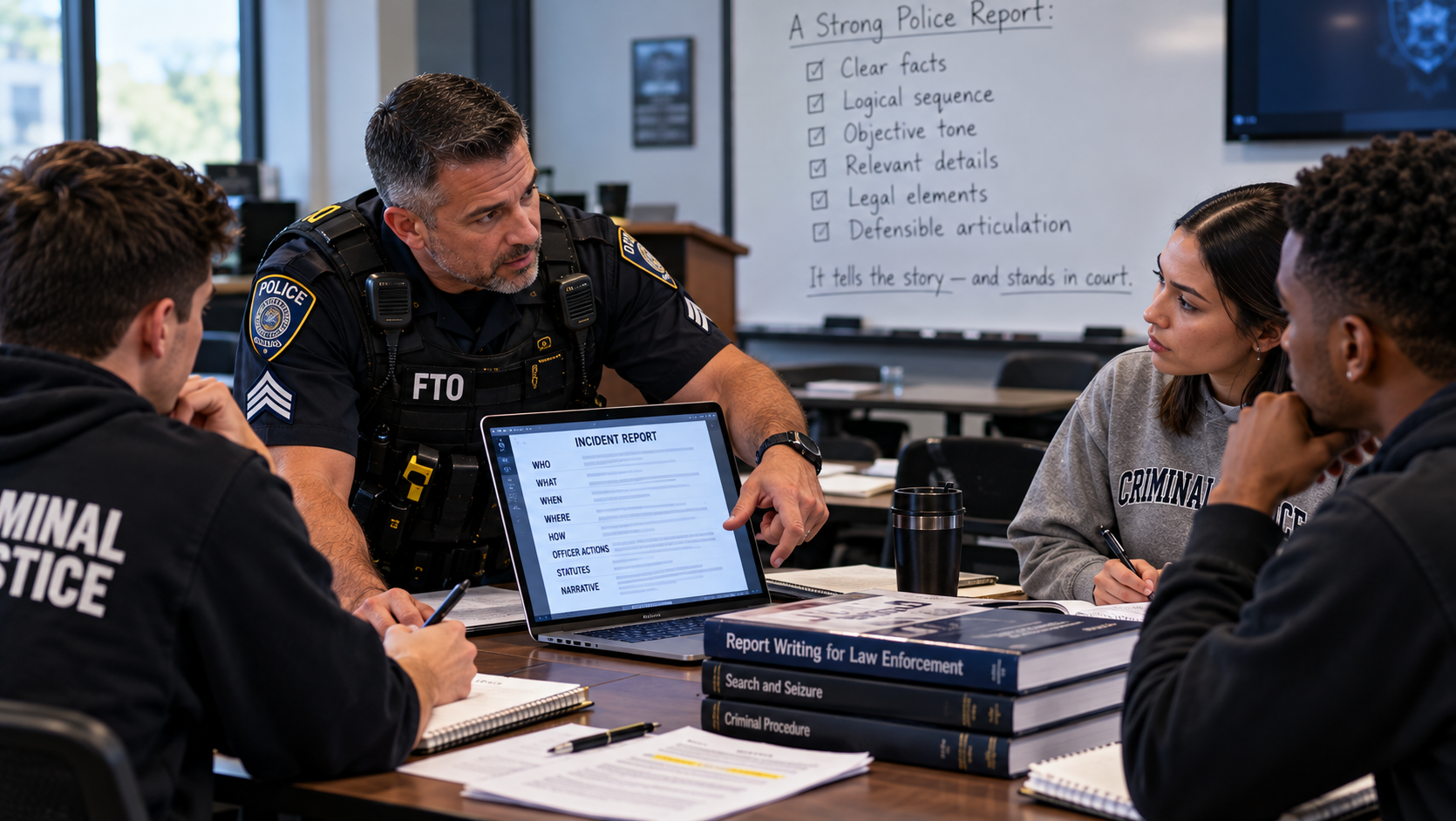
The transition from academic criminal justice programs to field training presents a consistent operational challenge: new recruits struggle to produce court-ready police documentation. While higher
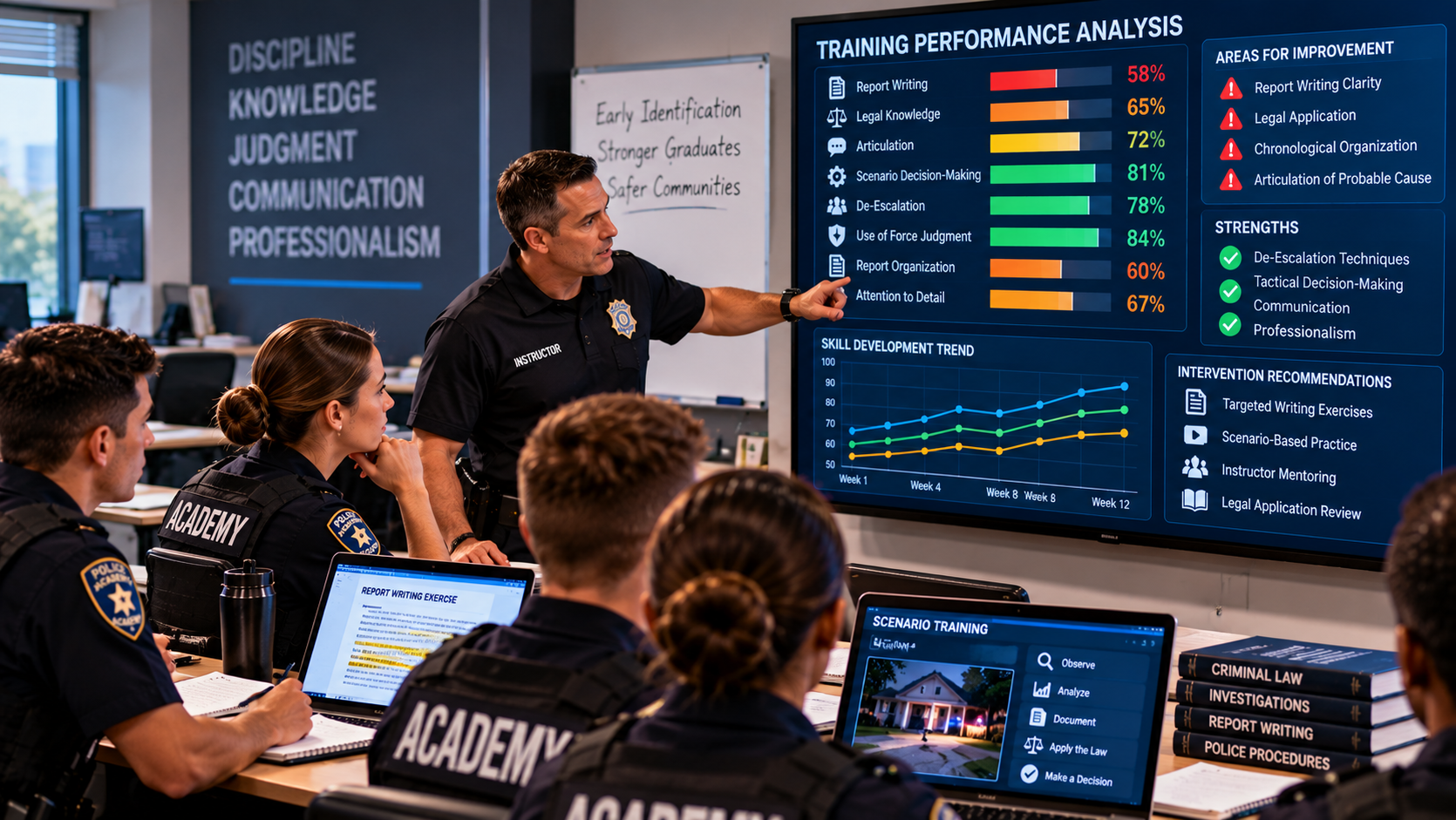
Police academies traditionally measure progress through examinations, practical exercises, firearms qualifications, defensive tactics, and instructor evaluations. But a harder question remains: Can we identify how