Police academies traditionally teach patrol operations and criminal investigations as related but distinct disciplines. That structure makes administrative sense. However, operationally, the line is much less clear.
The first patrol officer at a scene is often the first investigator.
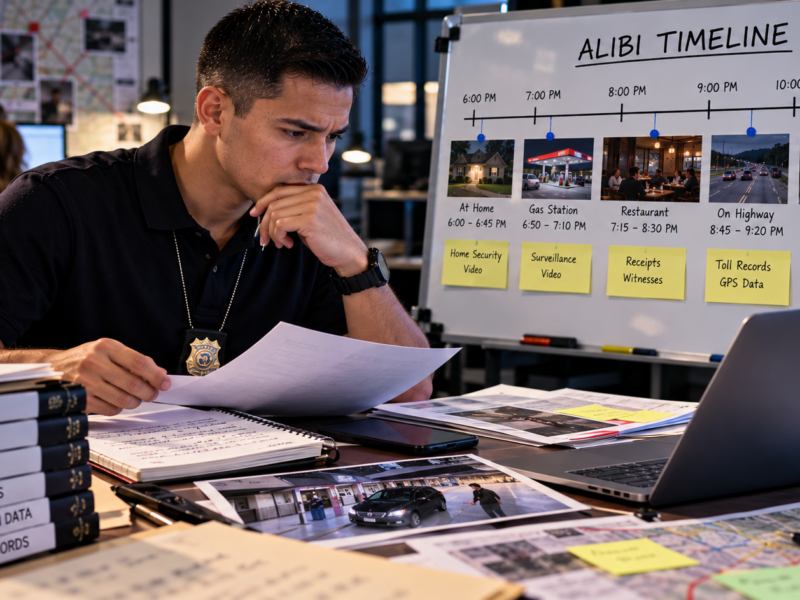
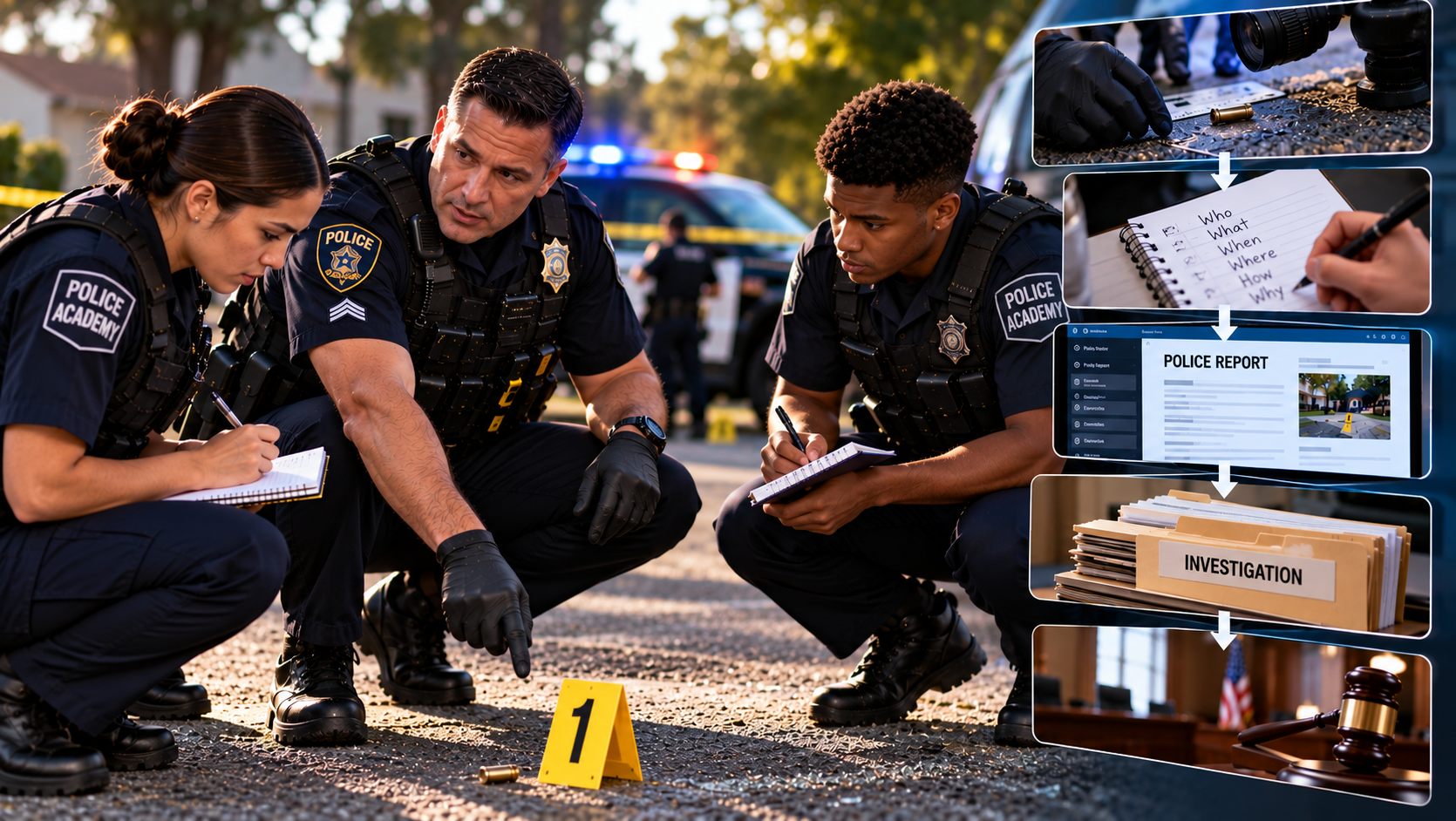
That officer observes conditions before they change, identifies witnesses, separates conflicting accounts, recognizes potential evidence, establishes an initial timeline, makes legal decisions, and creates the first written record of the event.
What happens during those first minutes can influence everything that follows.
This raises an important training question: Should we teach basic patrol instruction and foundational investigative thinking more deliberately as one continuous process?
This does not mean turning recruits into detectives.
It means teaching them to approach routine calls through an investigative lens:
- What do I know?
- How do I know it?
- What did I personally observe?
- What was I told?
- What evidence could disappear?
- What remains unknown?
- What facts support my next decision?
- Can another officer understand what happened from my documentation?
Elements of this approach already exist within academy training. For example, the California Commission on Peace Officer Standards and Training includes investigative report writing, search and seizure, evidence presentation, patrol techniques, crimes in progress, and crime scene/evidence instruction within its basic-course learning domains. Recruits must also demonstrate competency through scenario-based and report-writing assessments (California Commission on Peace Officer Standards and Training [POST], 2026).
This opportunity may connect those subjects more intentionally.
Instead of teaching a domestic call, evidence recognition, probable cause, interviewing, and report writing primarily as separate topics, one developing scenario could require students to apply all of them.
The learner responds to the call; then the facts develop.
A witness changes a statement. New evidence appears. A search becomes necessary. Probable cause must be articulated. The incident report becomes part of a larger investigation.
That progression reflects how real police work develops.
The goal is not to make every patrol officer an investigator.
The goal is to help every new officer understand that the investigation may already have begun before the detective arrives.
Perhaps the next evolution in academy training is not adding another subject.
It is connecting the subjects we already teach.
–Klyvorek & OpenAI
KLYVOREK helps law enforcement professionals strengthen report-writing and documentation skills through realistic fictional scenarios, self-paced practice, and AI assistance. The officer provides the facts. KLYVOREK builds the draft. The officer reviews, refines, and improves it.
_______________________________________
Reference
California Commission on Peace Officer Standards and Training. (2026). Regular Basic Course training specifications and basic training requirements.